Employee Wellness Programs: 7 Powerful Ways to Benefit Your Workforce
A healthier workforce starts with better healthcare access. Discover how companies can bring preventive health checkups, mental wellbeing and everyday healthcare together through meaningful workplace wellness initiatives.
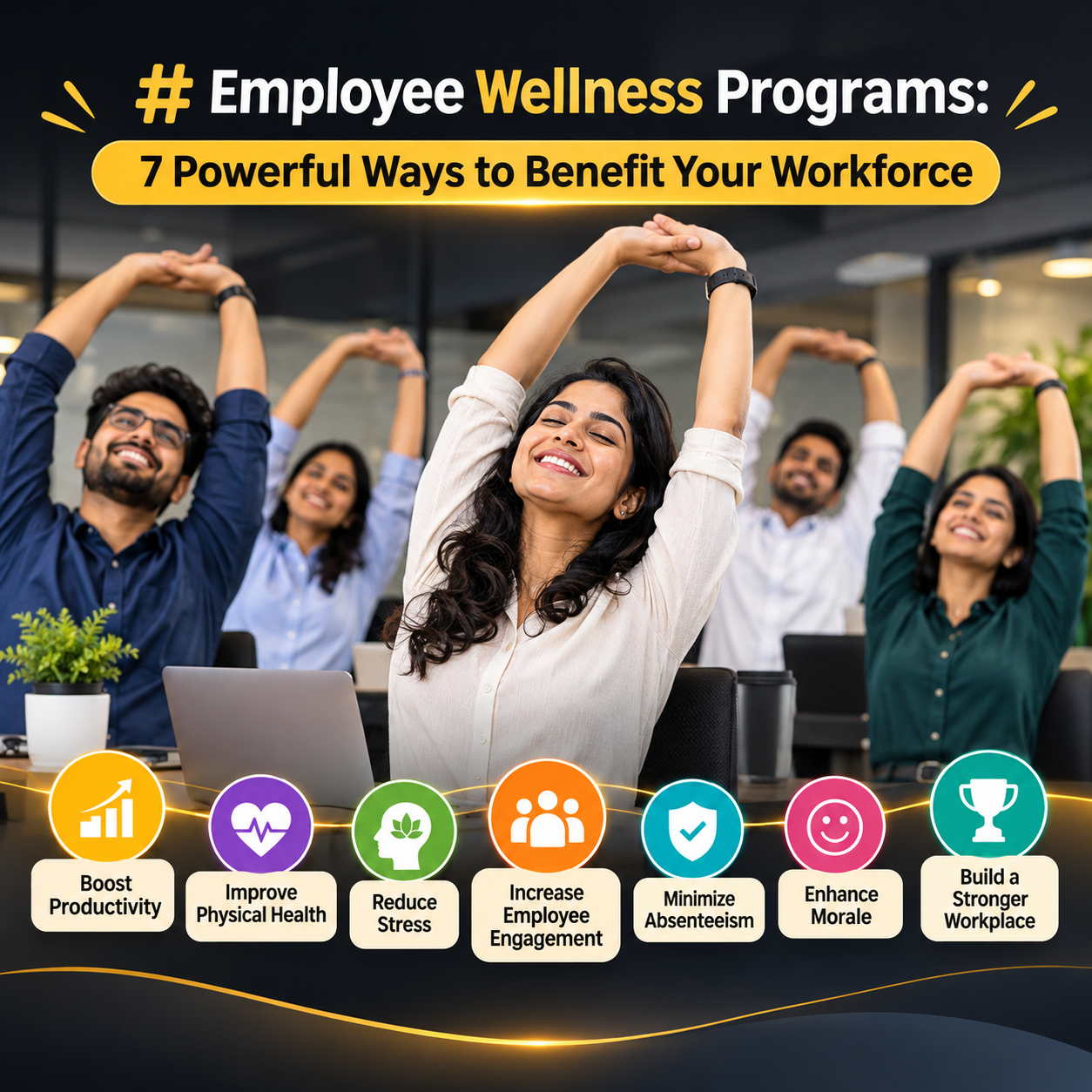
Employee wellness programs are becoming an important part of how modern organisations attract talent, support their workforce and build healthier workplaces.
Employees spend a significant part of their lives at work. Long working hours, sedentary routines, professional pressure and changing lifestyles can affect physical and mental wellbeing. Many health concerns also develop gradually, without noticeable symptoms in their early stages.
For employers, this creates an important opportunity to move beyond occasional medical activities and introduce a more structured approach to employee healthcare.
A well-designed program can bring together a preventive health checkup, onsite medical camps, mental wellness sessions, fitness initiatives, doctor consultations and access to relevant healthcare services.
The objective is simple: make it easier for employees to understand, access and actively participate in their wellbeing.
Why Employee Wellness Programs Matter in Modern Workplaces
Workplace healthcare is no longer limited to medical insurance and annual health screenings. Organisations increasingly need to consider the everyday health requirements of their employees.
An IT professional may experience prolonged sitting, eye strain and work-related stress. A manufacturing employee may need occupational health assessments and workplace safety support. Employees in demanding customer-facing roles may benefit from stress management and mental wellbeing initiatives.
These different requirements demonstrate why a single, standardised healthcare activity may not be sufficient. Companies need programs that consider workforce size, employee demographics, job responsibilities and workplace conditions.
Healthcare should be part of the employee experience, not just an emergency benefit.
A connected workplace strategy combines preventive care, physical wellbeing, mental health, social connection, financial awareness and occupational safety.
The World Health Organization recognises occupational health as an important part of public health, with an emphasis on protecting and promoting workers' physical and mental wellbeing. Read the WHO occupational health guidance .
7 Powerful Ways Employee Wellness Programs Benefit Employees
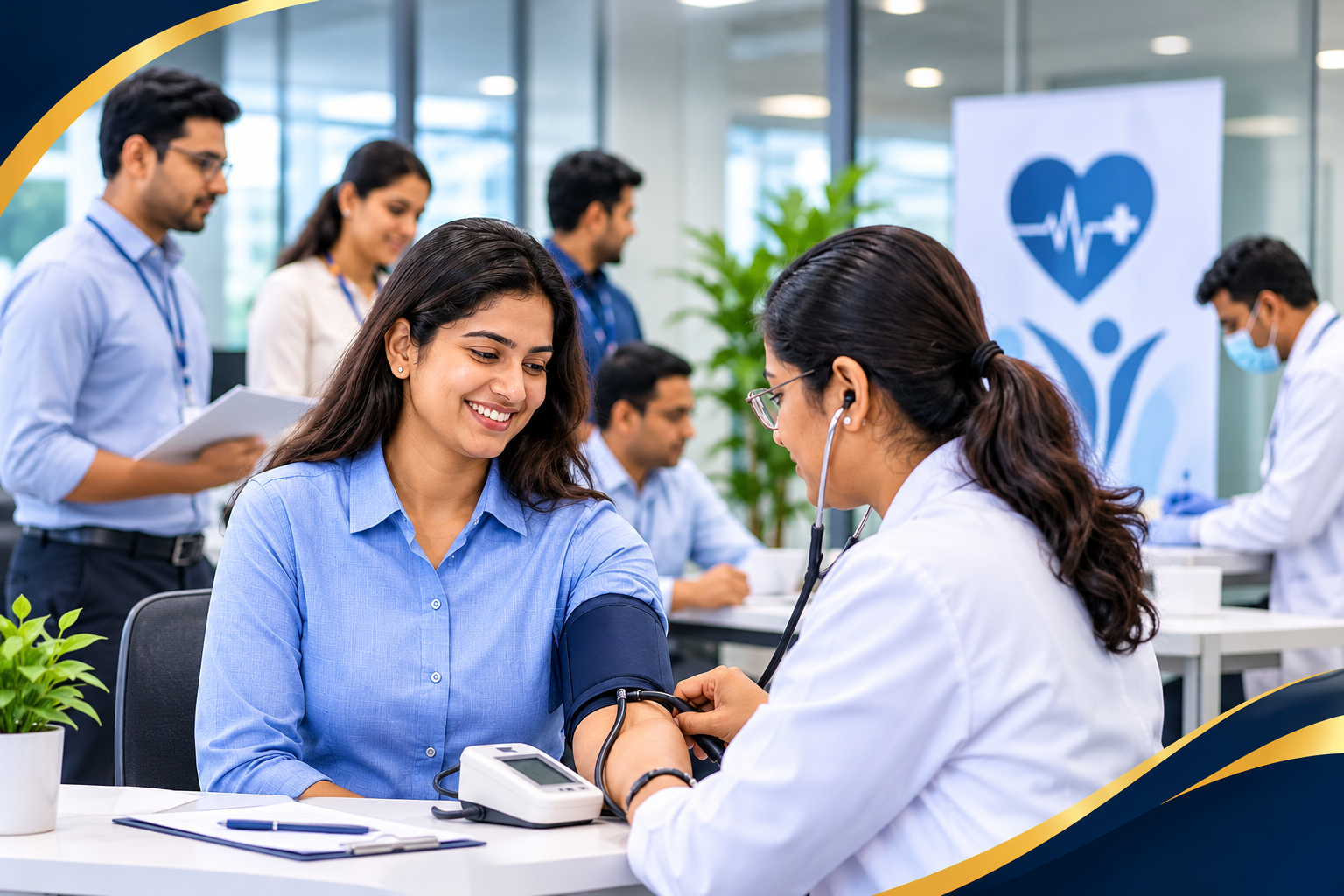
Encourage Early Awareness of Health Concerns
Many lifestyle-related conditions can develop gradually. Employees may not always notice changes in blood pressure, blood glucose, cholesterol or other health indicators.
Appropriate screening and a preventive health checkup can help employees understand selected health indicators and discuss findings with qualified healthcare professionals. Depending on the package, this may include basic measurements, laboratory investigations and doctor consultations.
The aim is to encourage awareness and appropriate medical follow-up rather than treating screening as a replacement for diagnosis.
Support Physical and Mental Wellbeing
Employee health involves more than physical fitness. Emotional wellbeing, stress management and mental health support are equally important.
Companies can introduce counselling, employee assistance programs, mindfulness sessions, nutrition awareness, yoga, ergonomic guidance and fitness activities.
A supportive approach should make these resources accessible without creating pressure or stigma around seeking help.
Make Healthcare Easier to Access
Employees sometimes postpone medical appointments because of travel, scheduling difficulties or work commitments. Employers can reduce these barriers by coordinating convenient healthcare options.
- Onsite corporate health checkups.
- Home sample collection where available.
- Doctor and specialist consultations.
- Diagnostic centre access.
- Pharmacy and medicine services through providers.
- Virtual consultations and healthcare guidance.
These services can be included in a broader corporate healthcare solution based on the organisation's requirements.
Improve Engagement and Workplace Experience
Employees are more likely to value benefits that are relevant to their everyday needs. Health awareness sessions, doctor-led webinars, team fitness activities and wellness events can create opportunities for meaningful participation.
The key is to understand employee interests and avoid organising activities simply for the sake of completing an annual calendar.
Encourage a Preventive Approach to Healthcare
Instead of focusing only on treatment after an illness occurs, companies can encourage screening, health awareness and appropriate follow-up.
These initiatives help employees become more informed about their health and give organisations a way to plan relevant workplace interventions. Preventive programs cannot guarantee lower medical costs, but they can improve access and awareness.
Strengthen Workplace Culture and Employee Support
Healthcare benefits are one part of the overall employee experience. When organisations make wellbeing resources accessible and communicate them clearly, they demonstrate a commitment to supporting their workforce.
Such initiatives can contribute to a positive workplace culture, although employee retention also depends on leadership, career development, compensation and other organisational factors.
Give HR Teams Better Healthcare Visibility
Managing multiple healthcare vendors can create additional work for HR and administration teams.
A coordinated company healthcare approach can simplify employee onboarding, eligibility management, service scheduling, participation tracking and program reporting.
Aggregated and privacy-conscious information can help HR understand program utilisation without exposing individual employee medical details.
Why Preventive Health Checkups Should Be Part of Workplace Healthcare
Preventive healthcare gives employees an opportunity to understand their health status and discuss potential risks with qualified medical professionals.
A corporate preventive health checkup can be organised according to employee demographics, workplace requirements, individual health history and appropriate medical guidance.
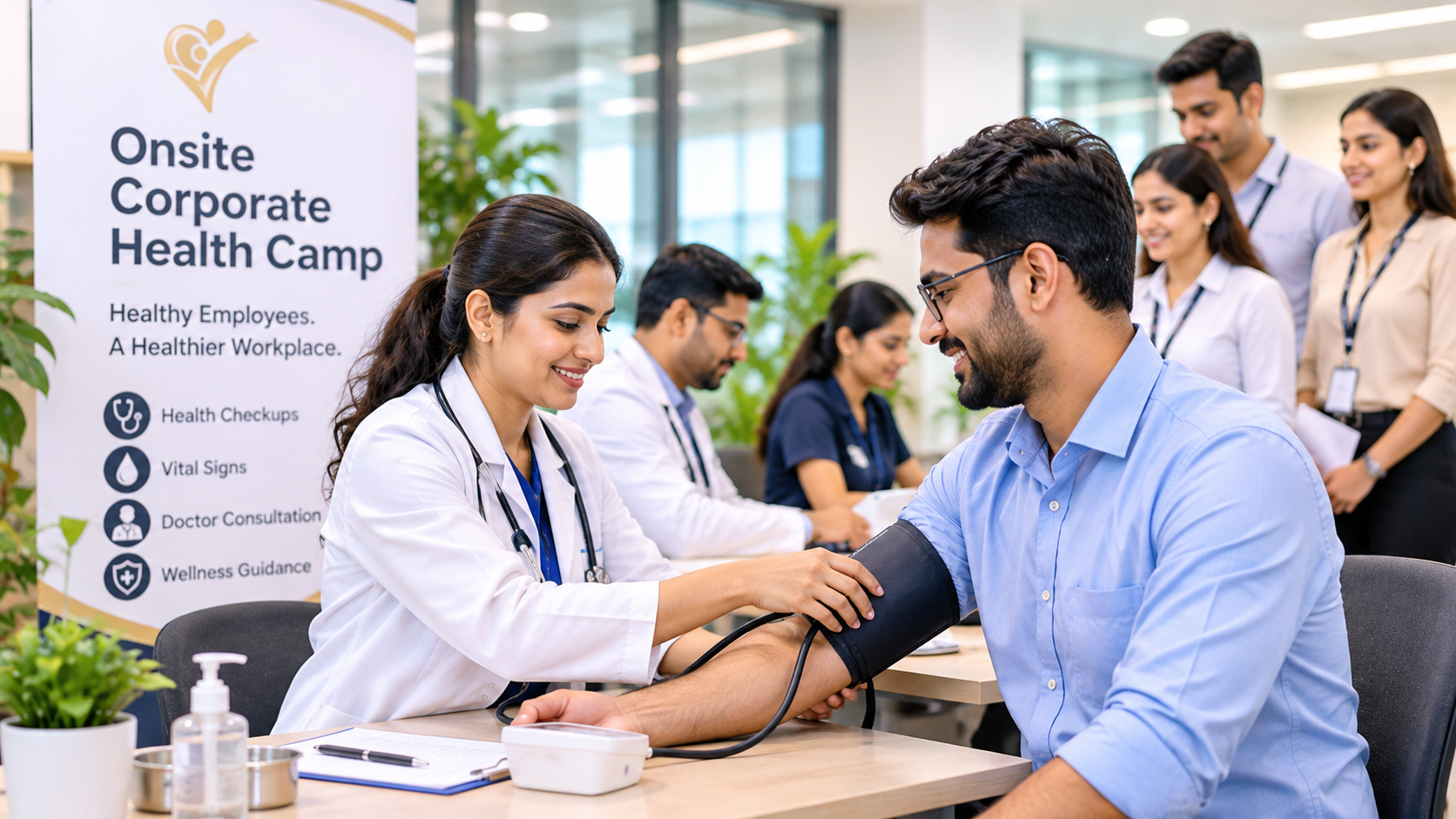
What Can a Corporate Health Checkup Include?
Depending on the selected package and clinical requirements, a screening program may include:
Basic Measurements
Blood pressure, height, weight and BMI assessment.
Blood Investigations
Blood glucose, CBC and selected laboratory tests.
Health Profiles
Lipid profile and relevant liver and kidney investigations.
Additional Screening
ECG and other assessments when clinically indicated.
Sample Collection
Blood and urine collection as required by the package.
Doctor Review
Medical consultation and guidance on relevant findings.
Not every employee requires every test. Screening packages should be selected according to individual requirements and professional medical guidance.
Why Onsite Health Camps Work for Organisations
Onsite health camps allow companies to coordinate selected healthcare services at their workplace. Employees can participate through scheduled appointments, while HR teams coordinate registration, slots and communication.
Home sample collection and partner diagnostic centres can also be considered for employees who cannot attend the onsite activity.
Explore our preventive healthcare services for employees to understand how screening and awareness can be part of an ongoing workplace strategy.
What Should a Health Plan for Employees Include?
A meaningful health plan for employees should bring together different healthcare services rather than focusing on one annual medical activity.
The right combination depends on the organisation's size, employee locations, workforce profile, budget and healthcare priorities.
| Healthcare Area | What It Can Include | Employee Value |
|---|---|---|
| Preventive Care | Health screenings, risk assessments and vaccination drives. | Health awareness and screening access. |
| Mental Wellness | Counselling, EAP, mindfulness and stress management. | Emotional support and mental wellbeing. |
| Physical Wellness | Fitness, yoga, ergonomics and nutrition initiatives. | Support for healthy daily habits. |
| Everyday Healthcare | Doctor consultations, diagnostics and pharmacy access. | Convenient healthcare access. |
| Chronic Care | Condition-focused programs and medical follow-up. | Support for ongoing health needs. |
| Occupational Health | Workplace assessments, safety and first aid. | Healthier and safer working conditions. |
| Digital Access | Benefit information, booking and support. | Easier service discovery and coordination. |
Consider Employee Needs Before Selecting Benefits
A startup may begin with health screening and virtual consultations. A larger organisation may require onsite clinics, mental wellness programs, chronic care and family healthcare options.
Instead of choosing benefits only by price, employers should consider relevance, accessibility, service coverage and employee participation.
Traditional Company Healthcare vs an Integrated Wellness Approach
Many organisations begin their healthcare journey with individual medical activities. As their workforce grows, coordinating multiple services can become more complicated.
| Area | Disconnected Approach | Integrated Approach |
|---|---|---|
| Healthcare | Separate providers for different services. | Coordinated access to relevant services. |
| Prevention | Occasional screening activities. | Ongoing preventive health planning. |
| Wellbeing | Limited to selected annual events. | Physical and mental wellness initiatives. |
| HR Coordination | Multiple contacts and processes. | A more structured coordination process. |
| Reporting | Information maintained across providers. | Consolidated, privacy-conscious reporting where supported. |
| Employee Experience | Benefits can be difficult to navigate. | Clearer access and service communication. |
How to Implement Employee Wellness Programs in Your Company
A successful program begins with understanding the workforce. Purchasing a package or arranging an event without a clear objective may not address actual employee needs.
Discover Workforce Needs
Review employee strength, age groups, locations, workplace conditions, existing benefits and employee feedback.
Define Program Objectives
Identify priorities such as preventive screening, mental wellness, everyday healthcare or occupational health support.
Design Relevant Benefits
Select services according to workforce requirements, budget, eligibility and geographical coverage.
Coordinate Implementation
Organise service providers, registration, appointments, employee communication and support.
Review and Improve
Evaluate participation, feedback, service utilisation and program delivery using appropriate aggregated data.
The International Labour Organization also highlights workplace health promotion as an important element of occupational health and safety. Explore its workplace health and safety resources .
How to Choose the Right Company Healthcare Partner
A healthcare partner should understand both medical service requirements and the operational needs of the organisation.
What HR and Administration Teams Should Evaluate
- Ability to support the required employee headcount.
- Healthcare coverage across relevant locations.
- Onsite, home-based and centre-based service options.
- Qualified medical professionals and diagnostic partners.
- Preventive and mental wellness service availability.
- Customisation for different employee categories.
- Clear service coordination and escalation processes.
- Privacy and protection of employee medical information.
- Useful program utilisation and reporting capabilities.
Companies should also verify provider credentials, service terms, geographical coverage and operational capabilities before entering into an agreement.
How MeWeSalus Care Helps Build Healthier Workplaces
At MeWeSalus Care, we believe employee healthcare should be accessible, organised and centred around people.
We work with organisations to plan and coordinate corporate healthcare and workplace wellbeing initiatives according to their workforce requirements.
Our Corporate Healthcare and Wellness Services
Corporate Health Checkups
Annual, pre-employment and statutory checkups, onsite screening and customised packages.
Preventive Healthcare
Health risk assessments, vaccination drives and relevant specialist screenings.
Mental Wellness and EAP
Counselling, employee assistance, mindfulness and stress management initiatives.
Wellness Events and Health Talks
Doctor-led webinars, yoga, fitness, nutrition and employee engagement activities.
OPD and Everyday Care
Consultations, diagnostic services and available healthcare provider access.
Chronic Care Programs
Relevant doctor-led health initiatives for ongoing health requirements.
Our Five-Step Approach
Our methodology starts with understanding workforce needs, designing a relevant wellness roadmap, coordinating the rollout, delivering services and reviewing program outcomes.
Learn more about MeWeSalus Care, explore our five-step wellness method or view our corporate healthcare initiatives .
Supporting Organisations Across Industries
Our corporate healthcare initiatives are relevant to IT and technology companies, manufacturing organisations, BFSI, corporate offices, startups and businesses with distributed workforces.
Our portfolio includes workplace healthcare engagements with ArcherIRM Technologies India Pvt. Ltd. and GT Group. Visit our portfolio to explore the initiatives.
Looking for the Right Employee Healthcare Partner?
Tell us about your employee strength, office locations and healthcare priorities. Our team can help you explore suitable corporate health checkups and wellness solutions.
Frequently Asked Questions
What are employee wellness programs?
Employee wellness programs are organised workplace initiatives that support physical, mental and overall employee wellbeing through preventive healthcare, fitness, counselling and health education.
Why should companies invest in employee wellness programs?
They can improve access to preventive healthcare, encourage healthy habits, support employee wellbeing and contribute to a more supportive workplace culture.
What is included in a corporate preventive health checkup?
Depending on the package, it may include blood pressure, BMI, blood glucose, laboratory investigations, urine tests and other clinically appropriate assessments.
How can companies benefit employees through healthcare?
Employers can offer relevant screening, doctor consultations, mental wellness, fitness activities and access to healthcare services with clear communication and convenient booking.
How do we create a health plan for employees?
Begin with workforce requirements, employee demographics, budget and existing benefits. Select suitable preventive, mental, physical and everyday healthcare services and review participation regularly.
Are onsite health camps suitable for large companies?
Yes. Onsite camps can be planned according to employee strength, location, available facilities and service requirements, with appointment scheduling and registration.
How can HR measure the success of a wellness program?
HR can review participation, service utilisation, employee feedback and program delivery through aggregated and privacy-conscious reporting.
Does MeWeSalus Care offer customised corporate wellness solutions?
MeWeSalus Care works with organisations to understand workforce needs and coordinate relevant corporate healthcare and employee wellness services. Contact our team to discuss your requirements.
This article is for general information only and is not medical, legal or financial advice. Please consult a qualified professional about your specific situation.