
Medical Tourism in India: Robotic, Cosmetic and Dental Care at Top Hospitals
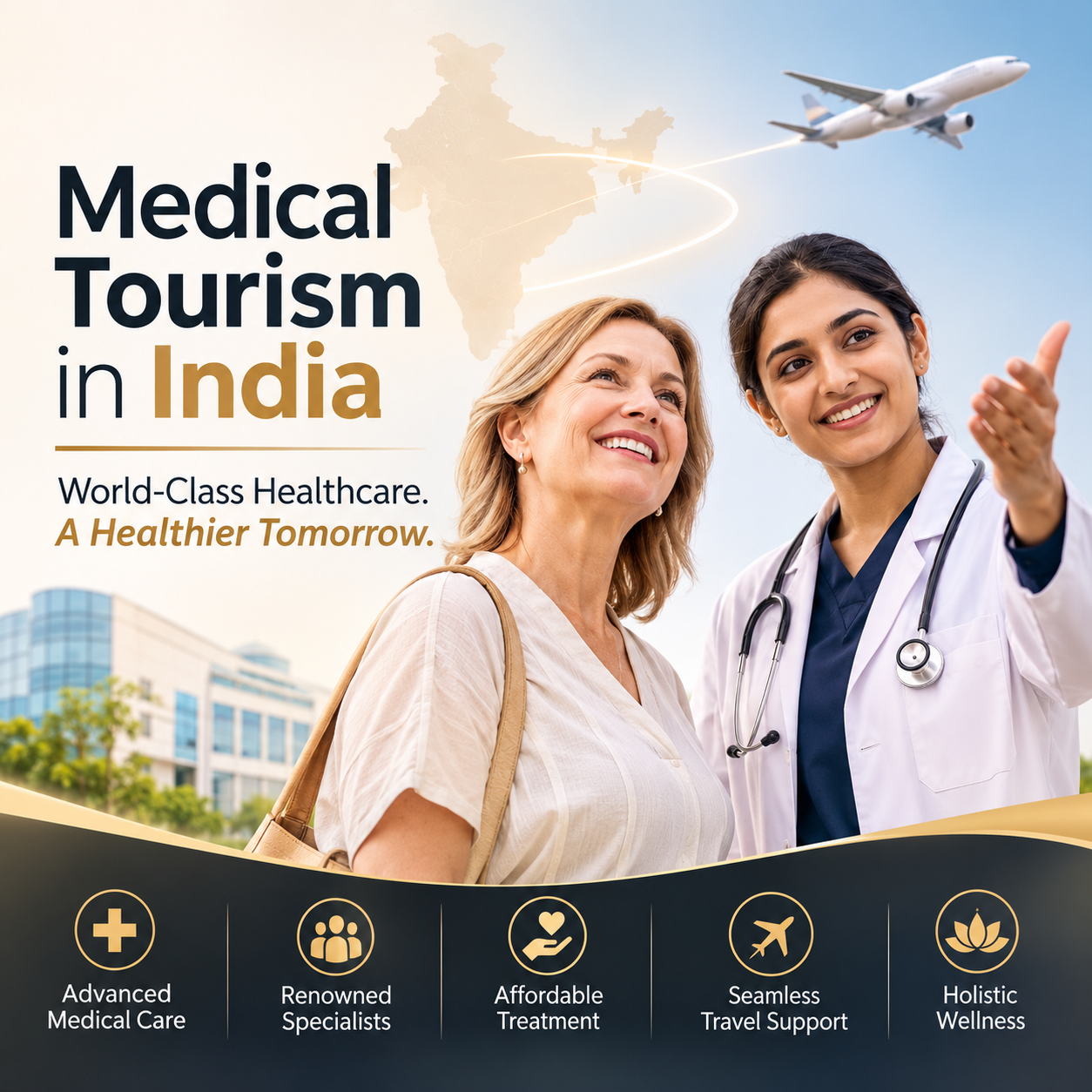
Medical tourism in India has grown from a budget option into a first choice for patients who want advanced technology, experienced surgeons and shorter waiting times. Every year, people from the Middle East, Africa, Central Asia, the UK and the US fly in for robotic joint replacements, heart procedures, cosmetic surgery and full mouth dental work.
We coordinate these journeys every week, so this guide is built on what patients actually ask us. You will learn what treatments India does best, what a realistic budget looks like and how to pick a hospital you can trust.
Why Medical Tourism in India Keeps Growing
Three things bring patients here: quality, speed and value. India has hospitals accredited by JCI and NABH, surgeons trained in the UK, US and Europe, and operating rooms equipped with the same robotic platforms you find in London or Boston.
Speed matters just as much, and it is one of the biggest reasons patients pick medical tourism in India. A knee replacement that means a long wait at home can often be scheduled within days of your reports being reviewed here. For many families, that difference alone decides it.
Then there is value. Because staff, construction and running costs are lower, the same procedure often costs a fraction of Western prices, even after flights and hotel stays. That is the real engine behind medical tourism in India, and it is why patients who come once often return for family members.
- English speaking doctors and care coordinators at major hospitals
- Short or no waiting lists for planned surgery
- A dedicated e-Medical visa for patients and attendants
- Wide choice of cities: Delhi NCR, Mumbai, Chennai, Bangalore and Hyderabad
Robotic Surgery in India: High Technology, Steady Hands

Robotic surgery in India has moved from a handful of metro hospitals to dozens of centres across the country. Leading private groups run systems such as the da Vinci platform for urology, gynaecology, colorectal and cardiac work, along with dedicated robots for knee and hip replacement.
Technology is a big part of why medical tourism in India now attracts patients from developed countries too. India also builds its own. SSI Mantra, the surgical robot developed by SS Innovations under cardiac surgeon Dr. Sudhir Srivastava, has been widely covered for its reported telesurgery milestones, where the surgeon operated from a console in a different location from the patient. For international patients, this signals a surgical community that is not just adopting technology but shaping it.
What robotic surgery means for you as a patient
Smaller incisions usually mean less blood loss, less pain and a shorter hospital stay. That matters when you are recovering far from home and want to fly back on schedule. Common robotic procedures our patients ask about include:
- Robotic total knee and hip replacement
- Prostatectomy and kidney surgery
- Hysterectomy and fibroid removal
- Colorectal and bariatric procedures
- Selected cardiac and thoracic surgery
One honest note: a robot is a tool, not a guarantee. Ask how many robotic cases your surgeon has personally performed. Experience behind the console is what drives results in robotic surgery in India, as anywhere.
Cosmetic Surgery in India: Natural Results, Private Care
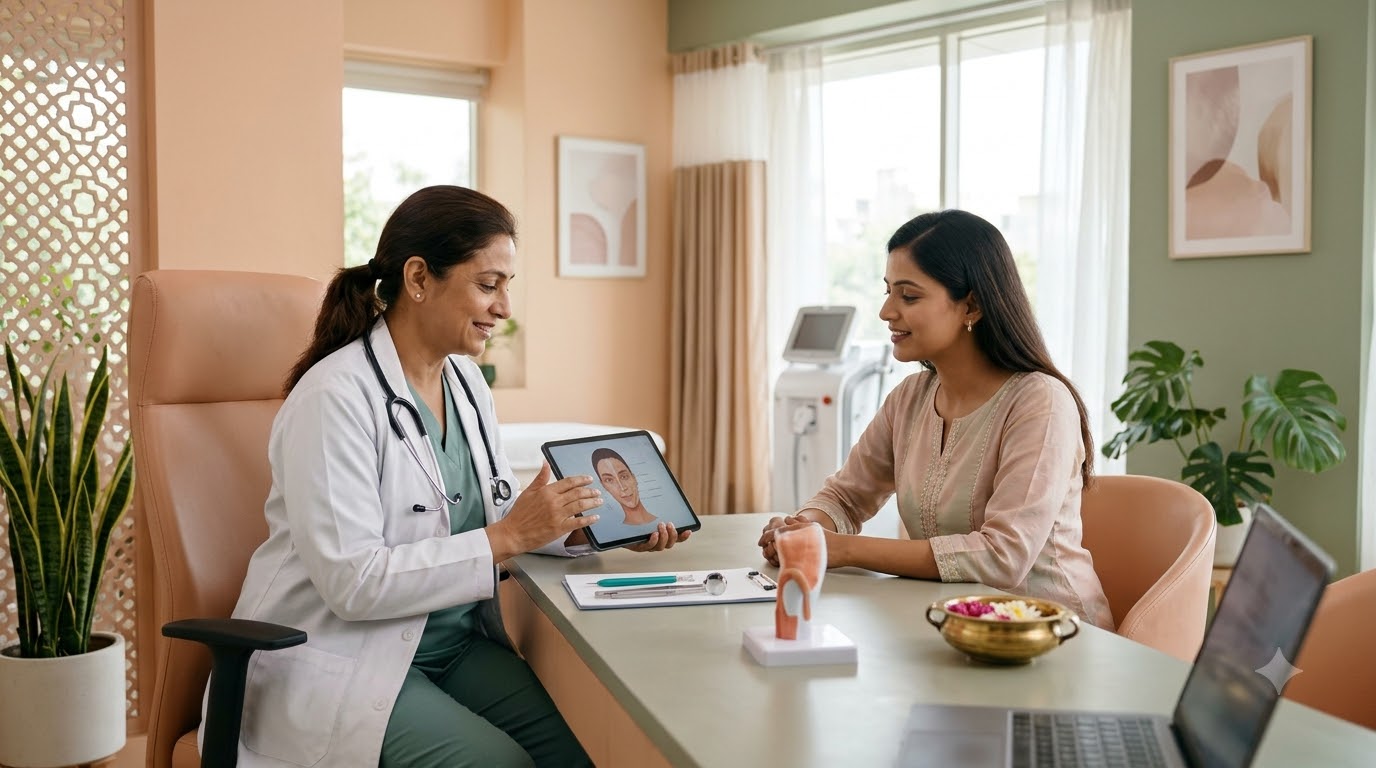
Cosmetic surgery in India is a strong pull for patients who want discretion and a calm recovery away from home. Board certified plastic surgeons in Mumbai, Delhi and Bangalore perform rhinoplasty, liposuction, tummy tuck, breast surgery, hair transplant and facial rejuvenation every day.
The quality bar is high, and the best surgeons will show you their own before and after cases, explain the limits of what surgery can do and talk you out of procedures you do not need. If a clinic promises perfect results or pushes add on treatments, walk away. This simple rule protects you whenever you explore medical tourism in India.
Planning time for cosmetic surgery in India
Allow time for a consultation, the procedure and at least one follow up before flying. As a rough guide, hair transplants need around a week in the city, while body contouring may need two weeks. Your surgeon will confirm this after reviewing your photos and health history.
Dental Tourism in India: Implants, Smile Makeovers and More
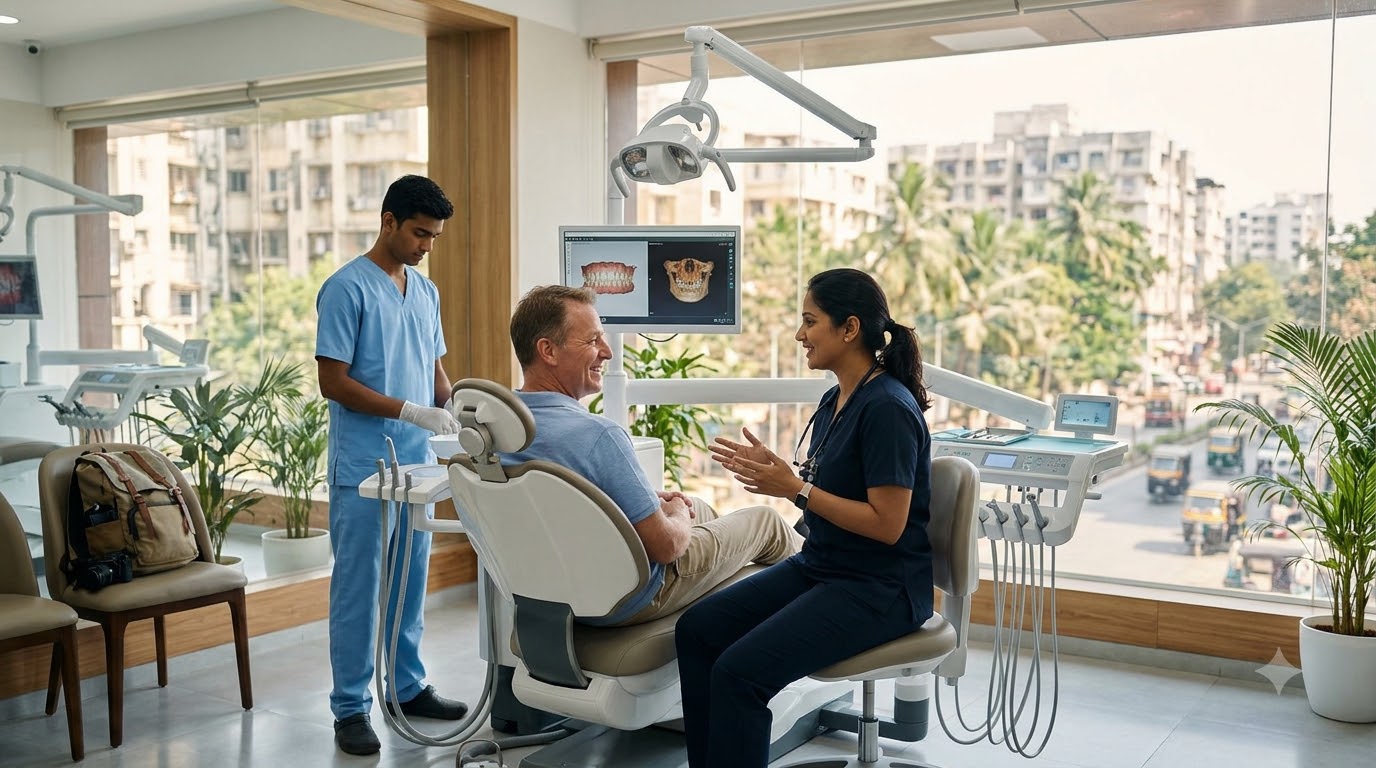
Dental tourism in India is one of the easiest ways to start with medical travel because most treatments need little or no hospital time. Patients come for dental implants, All on 4 full arch restoration, veneers, crowns, root canals and complete smile makeovers.
Good dental clinics now use 3D CBCT scans, intraoral scanners and in house or nearby labs, which cuts the number of visits. Some treatments, like implants, are done in two stages a few months apart. Many patients plan two short trips or combine the second visit with a holiday, which is a popular way to experience medical tourism in India.
Questions to ask before dental tourism in India
- Which implant brand will you use, and is it available back home for repairs?
- Will I get a written warranty and my full treatment records?
- How many visits and how many days in the city does my plan need?
Understanding the Cost of Surgery in India

The cost of surgery in India is often the first question we get, and the honest answer is that it depends on the hospital tier, the city, the implant or device used, your room category and how long you stay. Still, for most planned procedures, patients pay significantly less than they would in the US, UK or the Gulf.
Your package should spell out what is included. A clear estimate usually covers:
- Surgeon and anaesthetist fees
- Operating theatre and robotic system charges
- Implants, prosthetics or devices
- Room, nursing, medicines and standard tests
- A set number of days in hospital
When you plan medical tourism in India, budget separately for flights, your stay after discharge, local transport, meals and a buffer of around 15 to 20 percent for surprises. A transparent quote on the cost of surgery in India should never hide extras for later.
How to Choose the Right Hospital and Surgeon
This is the decision that matters most, so take your time. Use these checks before you commit to medical tourism in India with any provider:
Accreditation and track record
Look for JCI or NABH accreditation, India's national hospital quality standard. Accreditation means the hospital is audited on infection control, patient safety and documentation.
The surgeon, not just the hospital
Ask for the surgeon's qualifications, years in practice and the number of times they have performed your exact procedure. A good surgeon is happy to join a video consultation before you travel.
Communication and aftercare
You should get a written treatment plan, a cost estimate and a named coordinator. Ask what happens if you need help after you return home. This is where a facilitator like Mewe Salus Care adds real value, since we stay in touch long after discharge.
Planning Your Medical Tourism in India Trip Step by Step
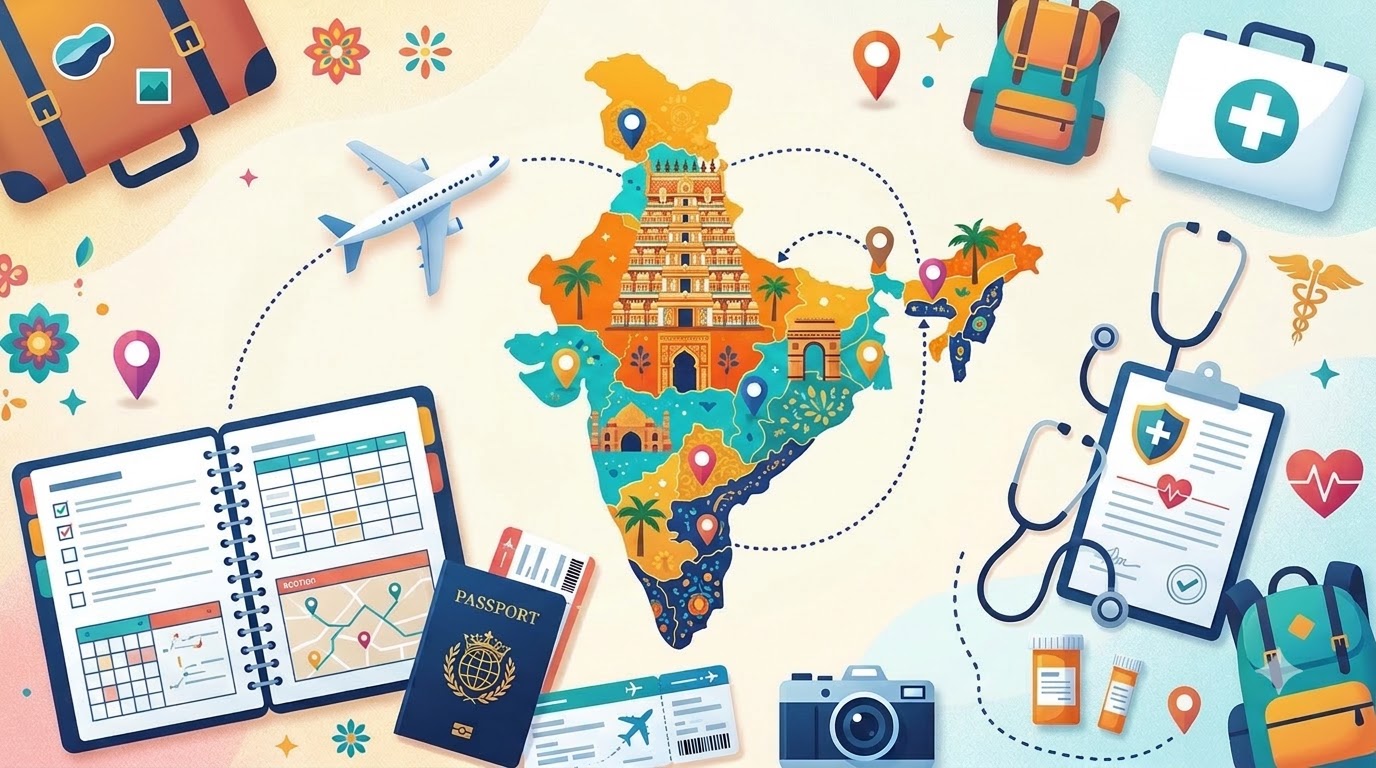
- Share your reports. Send recent scans, blood work and your doctor's notes for a specialist opinion.
- Get a treatment plan. Compare surgeon profiles, hospital options and itemised estimates.
- Apply for your visa. Patients use the e-Medical visa, and up to two attendants can apply for the e-Medical Attendant visa.
- Book travel and stay. Choose a hotel or serviced apartment close to the hospital for easy follow ups.
- Arrive and get admitted. Expect airport pickup, pre surgery tests and a meeting with your surgeon.
- Recover and get cleared to fly. Your surgeon signs off once it is safe to travel.
If you want to compare this with our earlier overview, read our complete introduction to medical tourism in India on the Mewe Salus Care blog.
Recovery, Follow Up and Safety
Recovery is where good planning for medical tourism in India pays off. Follow your surgeon's advice on flying, especially after joint, spine or abdominal surgery, since long flights raise the risk of blood clots. Walk in the aisle, stay hydrated and wear compression stockings if advised.
Before you leave, collect your discharge summary, operation notes, implant details and medicine list. Share them with your doctor at home so local follow up is smooth. Most top hospitals that support medical tourism in India also offer video reviews, which makes long distance aftercare much easier.
Our promise: Every patient who plans medical tourism in India with Mewe Salus Care gets a named coordinator, verified hospital options and help with reports, visas, stay and follow up. Request your free treatment plan.
Frequently Asked Questions About Medical Tourism in India
Is medical tourism in India safe?
Yes, when you choose accredited hospitals and experienced surgeons. Check JCI or NABH status, ask for surgeon credentials and get everything in writing before you travel.
Is robotic surgery in India available for international patients?
Yes. Many leading hospitals offer robotic knee and hip replacement, urology, gynaecology and cancer surgery, and they routinely treat patients from abroad.
How long should I stay for cosmetic surgery in India?
Most patients stay one to two weeks depending on the procedure. Your surgeon will confirm the timeline after your consultation.
How many trips does dental tourism in India usually need?
Veneers and crowns can often be done in one trip. Implants usually need two visits a few months apart so the bone can heal.
What affects the cost of surgery in India?
The hospital, city, surgeon, implant type, room category and length of stay. Always ask for an itemised estimate.
Final Thoughts
Medical tourism in India gives you access to robotic surgery, skilled cosmetic surgeons and modern dental care without long waits or unaffordable bills. The key is choosing verified hospitals, asking the right questions and having someone on your side through every step.
When you are ready, share your reports with our team and we will come back with doctor opinions, hospital options and a clear estimate. Start your journey of medical tourism in India with Mewe Salus Care today.
This article is for general information and is not medical advice. Treatment plans, timelines and costs vary for each patient. Please consult a qualified doctor before making any decision.
This article is for general information only and is not medical, legal or financial advice. Please consult a qualified professional about your specific situation.